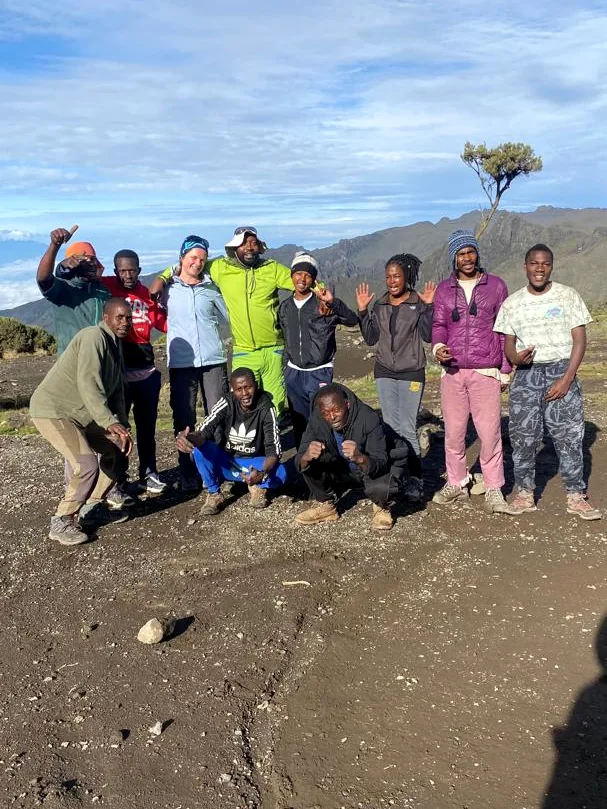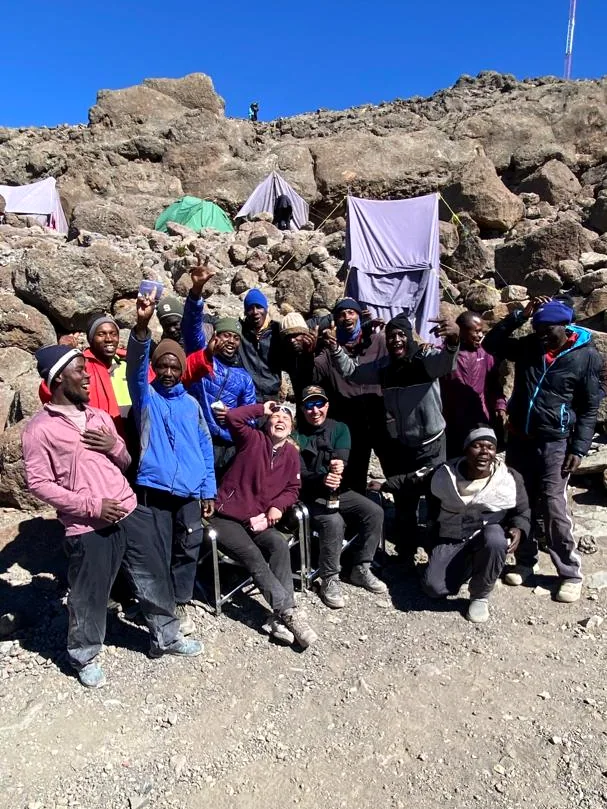
Porter expedition loads are limited to 20 kg, with the total including personal belongings capped at 25 kg. Porters receive three meals daily and sleep in dedicated porter tents within their permitted capacity. Crew payment is made the day after returning from the mountain.
Understand the team’s roles
Guides lead the walking stages and coordinate decisions on pace, health, weather and descent. Assistant guides help manage the group. Cooks organise mountain meals, while porters carry the agreed equipment and support camp movement. The exact crew composition depends on the party and operating plan.
Ask for confirmed crew numbers and responsibilities.
Ask concrete questions about crew welfare
Ask how wages, meals, shelter, clothing, loads and medical support are handled. Porter wellbeing is an operating responsibility, not a marketing badge or a substitute for fair wages. Verify any claimed independent programme participation directly with the programme.
- How are loads weighed and limits enforced?
- What sleeping equipment, food and weather protection are provided?
- How are sick or injured crew supported?
- How and when are wages and tips distributed?
Plan tips transparently
EOK’s minimum recommended tips
USD per crew member per day, contributed by the whole climbing group, not by each climber. Tips are separate from the expedition price.
| Role | Minimum recommended USD per crew member per day |
|---|---|
| Lead guide | $20 |
| Assistant guide | $15 |
| Chef | $15 |
| Porter | $10 |
| Summiting porter | $12 |
| Waiter | $12 |
Our team confirms your crew roster and explains how to distribute tips at your briefing. Where a waiter or summiting porter is part of the porter allocation, count that crew member once for the relevant day.
Tipping is customary on Kilimanjaro, but an appropriate budget depends on confirmed crew size, mountain days and the company’s guidance. Request recommended amounts, currency and the distribution process before departure. Allow for crew tips when planning your trip budget.
KRTO / KPAP emphasises transparent distribution. Climbers should know who receives what. If handing a combined amount to a guide, make the intended allocation clear to the whole crew; direct distribution to individuals is another approach to discuss. A tip does not replace the operator’s wage responsibilities.
Include crew questions in your climb plan
Before travel, our Arusha team provides your written itinerary, packing list, equipment guidance, arrival instructions and pickup contact, and arranges a preparation call. Your lead guide conducts a briefing and personal equipment check the day before the hike.
Your briefing with the team
Daily trek briefings cover the terrain and expected walking time. Guides check your health, readiness and oxygen saturation. Report any symptoms promptly so the guides can assess how you are feeling. If a climber needs to descend early, an assistant guide accompanies them. Guiding support remains with the continuing group, with the lead guide coordinating the arrangements.