Camping on the trekking routes
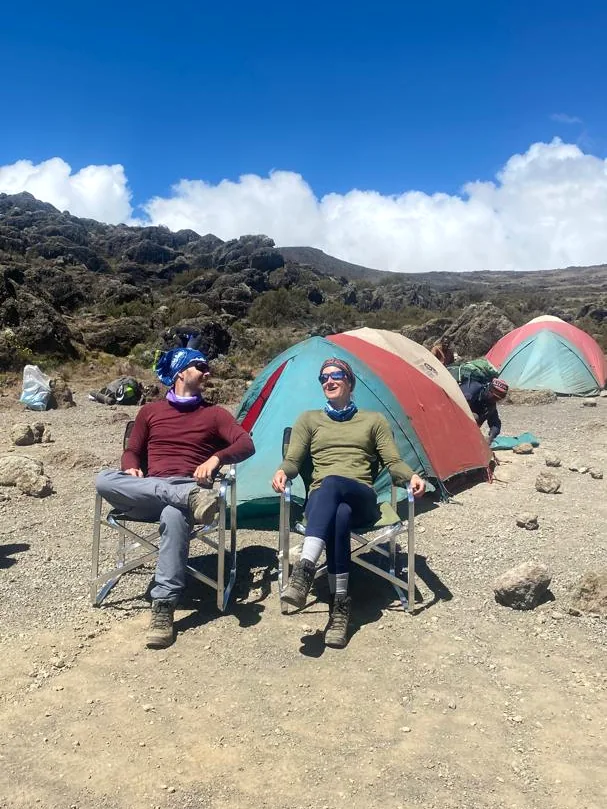
The Lemosho, Machame, Northern Circuit, Rongai and Umbwe samples use tents. Ask how many people share a sleeping tent, what mat is supplied and whether private tent arrangements carry an extra cost. A personal sleeping bag remains essential unless a specific rental has been confirmed.
Higher camps can be exposed, cold and rocky. Keep shoes handy, protect the sleeping bag from damp clothing and use a headlamp when leaving the tent after dark. Do not expect hotel-style washing or charging facilities.
Marangu’s roof is a real difference
Mandara, Horombo and Kibo provide basic shared dormitory accommodation. These are not private ensuite rooms or heated bedrooms. Bring a suitable sleeping bag, warm night layers and optional earplugs for communal sleeping.
The five-day itinerary has four mountain nights. The six-day version adds a second Horombo night, giving five in total. Huts change the sleeping arrangement; they do not shorten summit day or remove altitude risk.
A hut name does not mean a hut bed
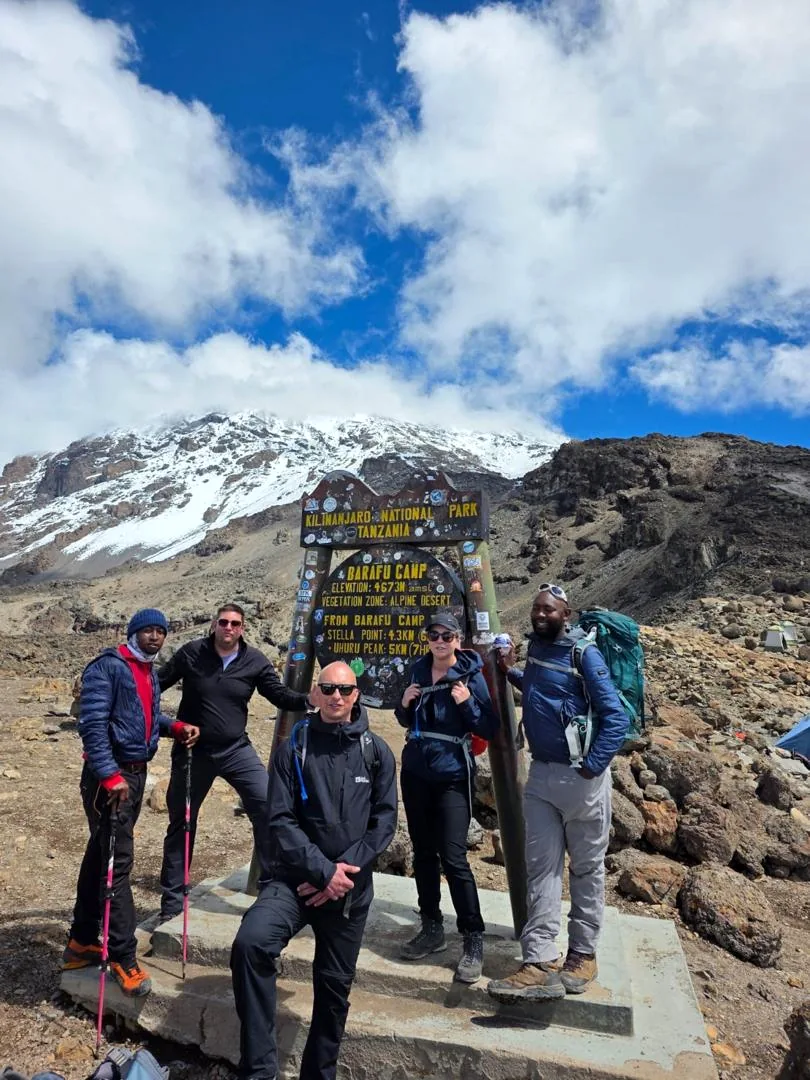
Rongai and Northern Circuit itineraries can stop in areas called Kibo Hut or School Hut while using tents. Do not infer indoor accommodation from a place name or the hut symbol in company artwork. The agreed itinerary and reservations determine where you sleep.
Confirm the facilities that matter to you
Ask about mountain toilets, dining equipment, basic washing water, room or tent sharing and personal gear storage. Portable toilet arrangements, if available, need explicit confirmation. Pack toilet paper, hand hygiene supplies and a light source, and follow the crew’s waste instructions.
Night routines work best when essential items are within reach: dry layers, drinking bottle, headlamp and any personal medicine. Separate wet clothing from sleeping equipment.
The rhythm of camp
After walking, change into dry layers, separate damp kit and organise your sleeping space. Keep a headlamp, shoes and night essentials accessible. At the evening briefing, check the next departure time, water routine and layers needed for the following stage.
On summit night, arrange warm layers and light before resting. The start is usually in darkness, followed by a long descent; follow your guide’s timing rather than assuming a fixed schedule.