Why the ascent schedule matters
Fitness helps with the physical work but does not protect against altitude illness. Sleeping altitude, the rate of ascent and your individual response all matter. Extra itinerary days create opportunities for adaptation; they do not guarantee a summit.
Look beyond a route’s total day count. Compare the actual sleeping stops and any higher daytime outing followed by a lower overnight. Some Kilimanjaro stages still gain altitude rapidly, even on a longer itinerary. A line joining camp elevations is planning information, not a medical safety score.
Speak up early
Report headache, nausea, dizziness, unusual fatigue or poor appetite promptly to your guide. Do not assume symptoms are simply a lack of fitness, and do not continue higher with worsening symptoms.
Confusion, difficulty walking normally or breathlessness at rest can signal a serious emergency. Alert the guide immediately; urgent descent and medical help may be needed. The summit is secondary to the team’s decisions about your health.
Prepare with people, not a prediction
Discuss your travel plans, past altitude response, medical conditions and medicines with a qualified clinician before departure. Medication decisions are individual; this website does not prescribe a drug or dose.
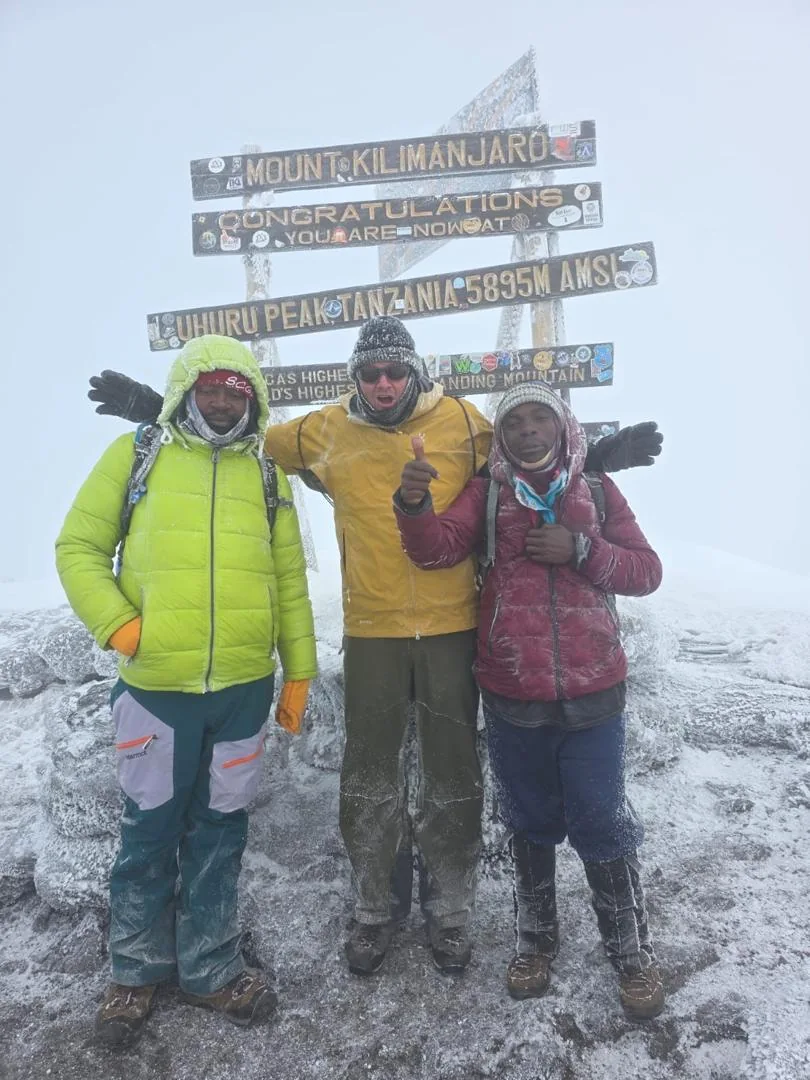
Daily trek briefings cover the terrain and expected walking time. Guides check your health, readiness and oxygen saturation. Report any symptoms promptly so the guides can assess how you are feeling. If a climber needs to descend early, an assistant guide accompanies them. Guiding support remains with the continuing group, with the lead guide coordinating the arrangements. Confirm your insurance covers the planned altitude and relevant rescue arrangements.
- Ask what happens if one climber descends while the rest continue.
- Confirm communication and medical support arrangements in writing.
- Treat itinerary changes made for health or weather as sensible mountain decisions.